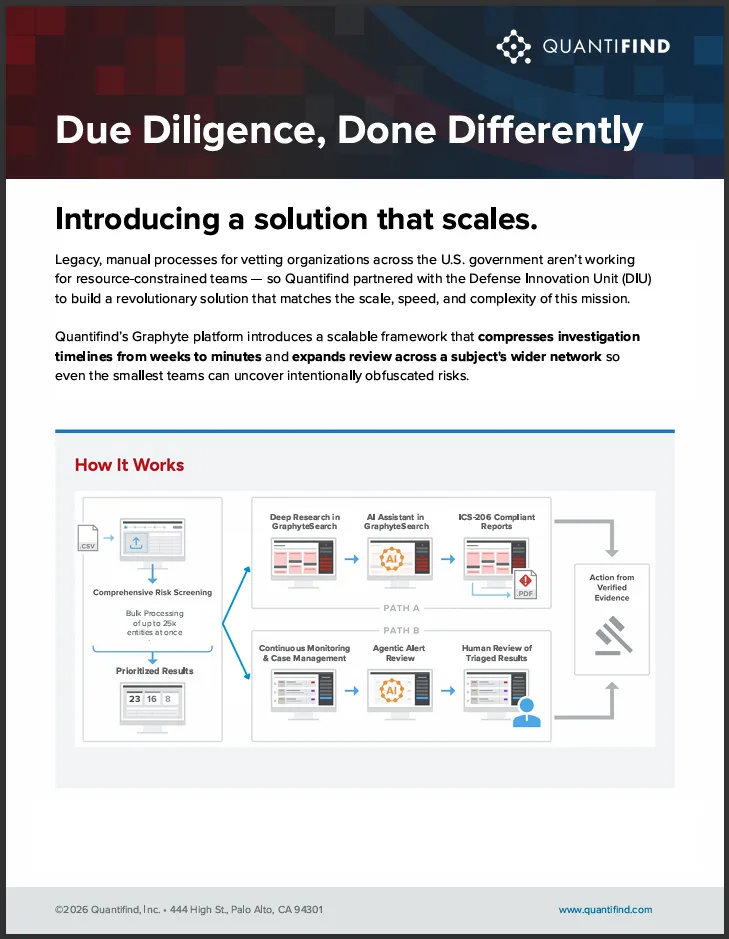
Network Intelligence · Graphyte Technology
The science of connecting the dots.
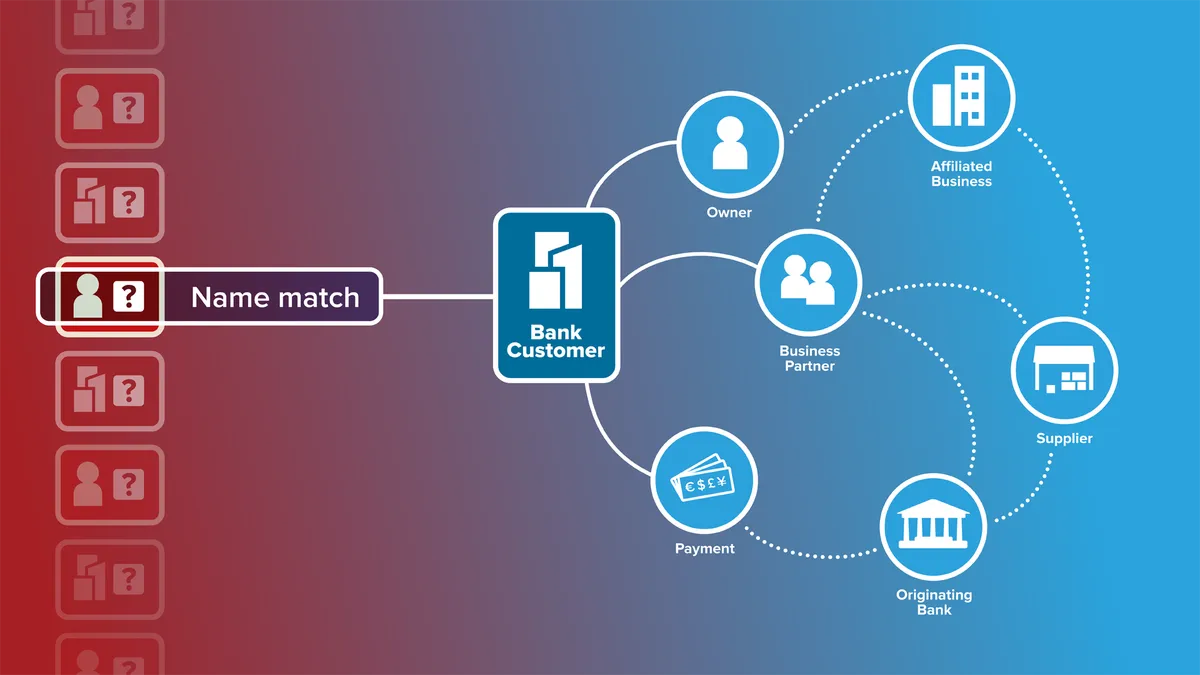
Understanding relationships is the key to uncovering systemic financial crime. Network Intelligence is the discipline within Graphyte™ that connects people, organizations, ownership structures, counterparties, and transactions to reveal risks that isolated records miss.
2-5%
of global GDP is estimated to be laundered annually
85%
of studied grand corruption cases used companies to hide proceeds
$56.4M
in estimated proceeds connected to 150 global corruption cases


the problem
Isolated records hide systemic risk.
Financial crime rarely happens in a vacuum, yet traditional systems evaluate transactions, KYC profiles, and screening alerts individually. Shell companies, nominee owners, intermediaries, and complex transaction chains are designed to obscure who is connected and how. When teams investigate one record at a time, meaningful patterns remain hidden and research becomes fragmented and manual.
the fix
Treat relationships as risk signals.
the building blocks
Six functions, one discipline.
Turn fragmented data into explainable, investigation-ready networks.
Relationship Expansion
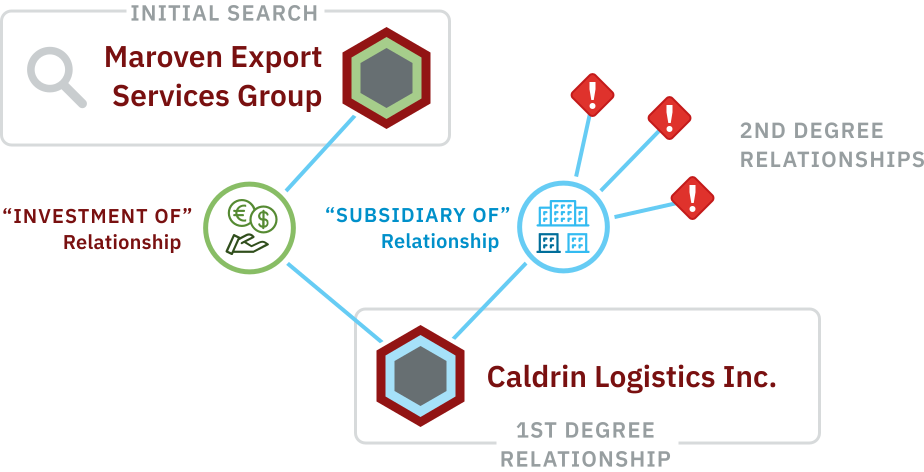
Trace relevant connections around customers and counterparties to reveal risks beyond the initial alert.
Ownership and Control
Map corporate structures, beneficial owners, subsidiaries, and controlling parties across layers of legal entities.
Counterparty Linkage
Connect originators, beneficiaries, intermediaries, and other parties across fragmented transaction records.
Transaction Mapping
Link payments, counterparties, and trade relationships to expose patterns that individual alerts cannot show.
Contextual Risk Evaluation
Apply dynamic risk typologies to the entities and relationships in a network, not keywords in isolation.
Investigation-Ready Evidence
Every risk factor shows its risk level, confidence tAssemble the sources, relationships, and context investigators need to understand what matters and why.ier, the reasoning behind that confidence, and the source context that triggered it.
How it works
From isolated data to a connected risk picture.
Resolve the core entities
Identify and distinguish the people and organizations at the center of an alert using AI-native entity resolution.
Expand the relevant network
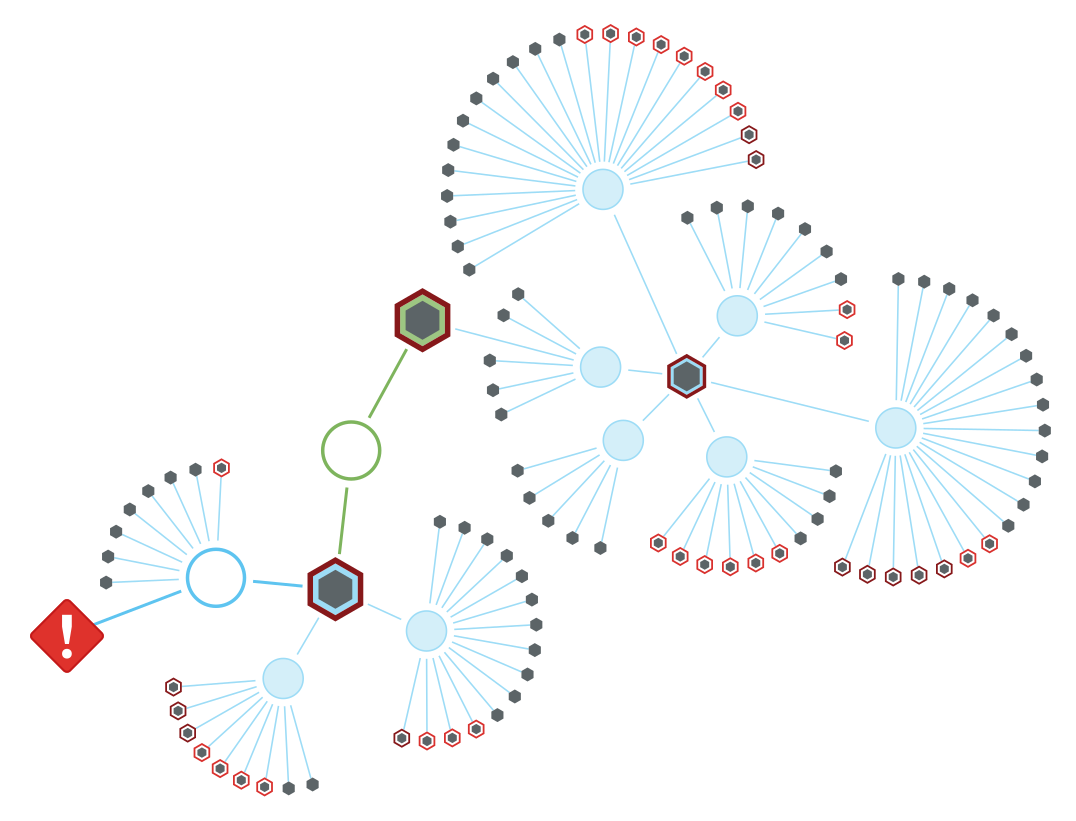
Trace ownership, corporate affiliations, counterparties, and transactions across internal and external data.
Apply dynamic risk typologies
Evaluate the network against contextual patterns of financial crime rather than static rules or keyword matches.
Prioritize meaningful connections
Surface relationships by their relevance to the risk under review so incidental links do not overwhelm investigators.
Deliver explainable evidence
Show the entities, relationships, sources, and reasoning behind each finding so investigators can document and defend conclusions.
In the platform
Network intelligence is why the full picture emerges.
Graphyte brings relationships into KYC, sanctions compliance, transaction intelligence, and investigations. Teams can move from an isolated alert to the people, organizations, ownership structures, and activity around it, with the evidence needed to review risk efficiently and explain decisions.
Start investigations with relevant entities, relationships, and supporting evidence already connected, reducing manual research and helping teams focus on meaningful risk.
Frequently asked questions
Network intelligence, answered.
What is network intelligence?
Network intelligence reveals and evaluates relationships among people, organizations, ownership structures, counterparties, transactions, and other entities. It helps investigators uncover risks that may not be visible when a customer, payment, or alert is reviewed alone.
How does network intelligence improve KYC?
It extends KYC beyond the information provided by a customer. By connecting beneficial owners, corporate affiliations, related parties, and external risk signals, network intelligence helps teams understand who is behind an entity, how it is connected, and whether those relationships change the customer's risk profile.
Why is understanding counterparty risk important in transaction intelligence?
A transaction can appear routine when viewed by itself. The counterparties, intermediaries, ownership links, and surrounding activity may tell a different story. Network intelligence adds that context so teams can prioritize activity connected to meaningful financial crime risk. It enriches and helps triage transaction alerts; it is not a replacement for a transaction monitoring system.
How does network intelligence accelerate investigations?
It automatically assembles relevant entities, relationships, and supporting sources that investigators would otherwise research across multiple systems. This gives teams a connected starting point, reduces repetitive evidence gathering, and makes it easier to move from an initial alert to a defensible conclusion.
How does network intelligence address obfuscation and shell companies?
It traces ownership, control, corporate affiliations, shared attributes, counterparties, and transaction paths across multiple layers. When direct ownership is hidden, those connections can reveal common controllers, intermediaries, or risk-bearing entities behind an apparently unrelated company.